Claude for Small Business: Agentic AI for SMEs
For years, artificial intelligence for businesses has been framed as a revolution designed primarily for enterprises, large teams, and organizations with budgets, processes, and departments dedicated to innovation. With the launch of Claude for Small Business, Anthropic is instead trying to shift the focus to SMEs, offering a package of connectors and ready-to-use workflows that integrate Claude into the tools small businesses and lean teams already use every day.
The interesting point is not just the new product, but the direction of the market. More and more AI players are realizing that the true underserved space is not just big companies, but entrepreneurs, professional firms, operational teams, and local businesses that need immediate results, not months of setup or consulting.
The problem for SMEs with AI is almost never a lack of interest. It is adoption. In most cases, generative tools are tested with initial enthusiasm, but then hit a practical limit: they require too much time to configure, too many manual prompts, and too much energy to understand how to integrate them into daily processes.
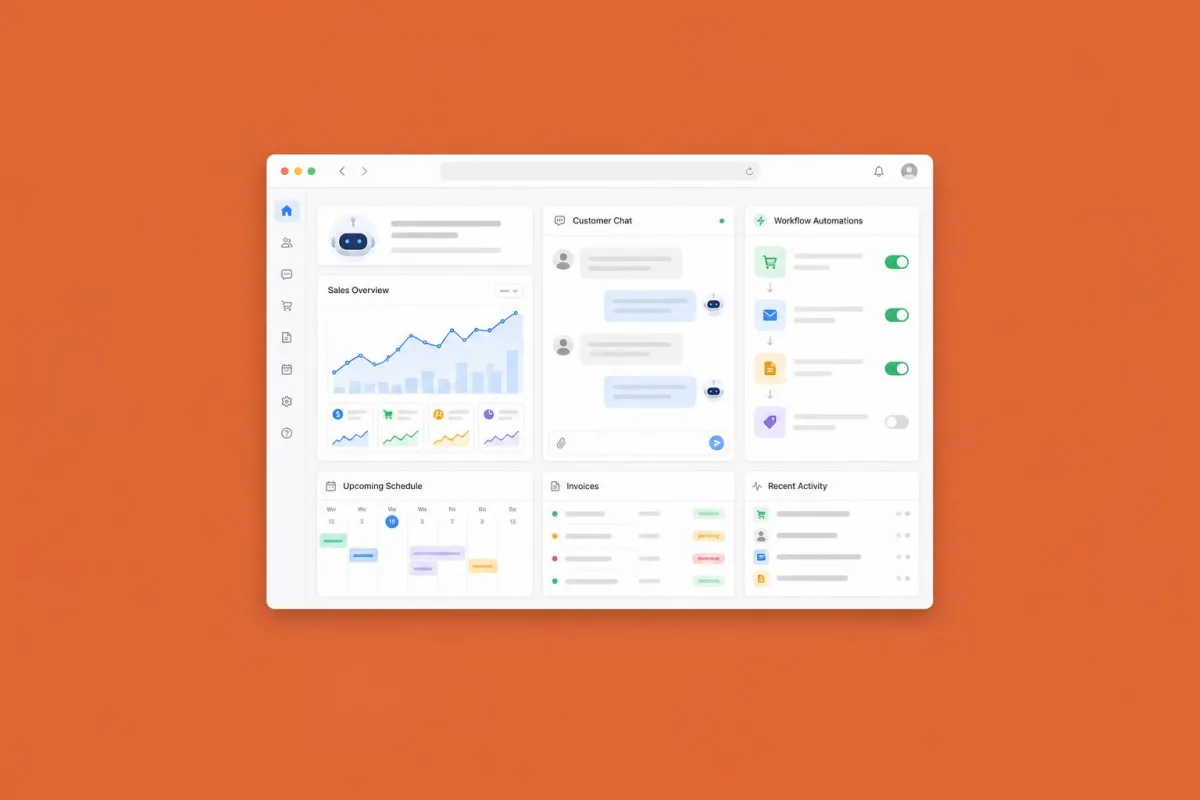
Anthropic is trying to solve exactly this bottleneck. According to the official announcement, Claude for Small Business is activated within Claude Cowork, connects software already present in the company, and offers 15 ready-to-use agentic workflows distributed across finance, operations, sales, marketing, HR, and customer service. In parallel, the package also includes 15 skills built on repetitive tasks that small business owners have identified as the slowest, most tedious, and time-consuming.
The real difference compared to a normal AI chat is that here the model is not presented as an empty space in which to 'invent' the best prompts. Anthropic is transforming it into a work environment oriented towards specific jobs, where the user connects tools, chooses the task, and lets Claude prepare the action, while still maintaining human approval before sending, publishing, or paying for anything.
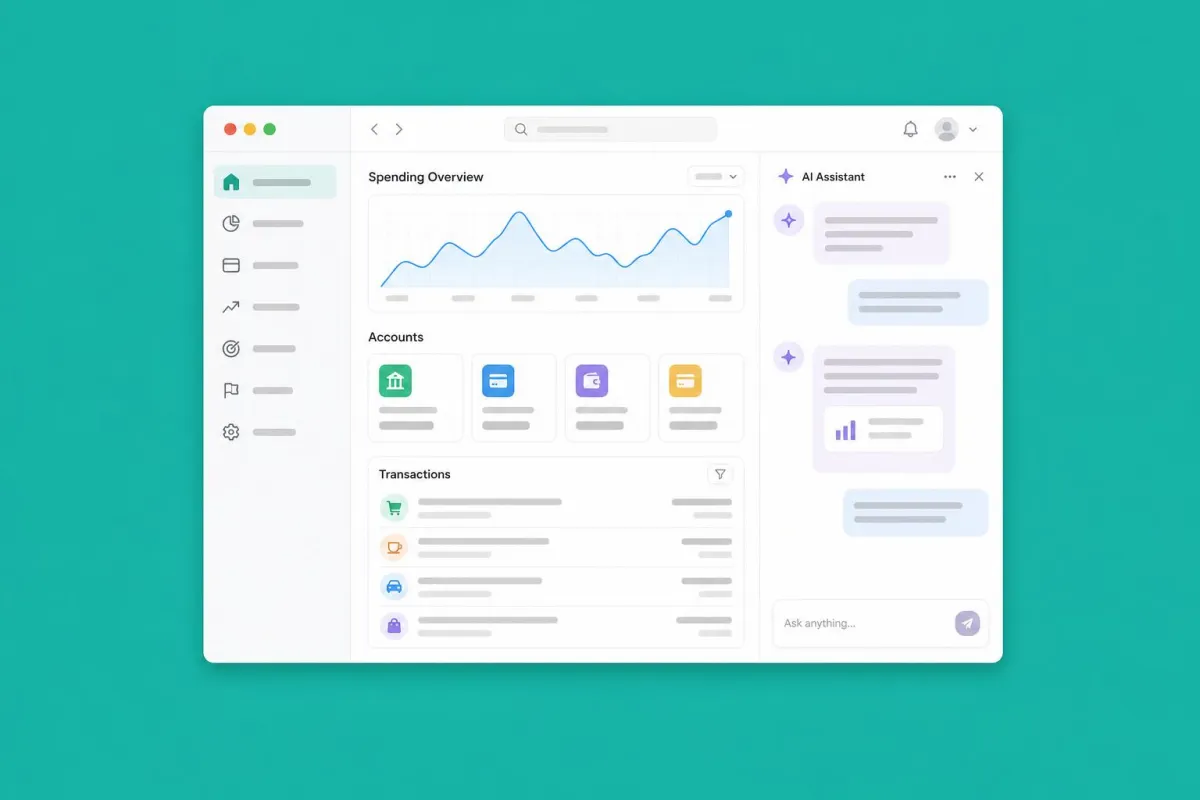
This detail is fundamental because it drastically lowers the entry barrier. For an SME, value does not arise from the technical sophistication of the model, but from the possibility of using it for concrete activities such as reconciling financial data, chasing late invoices, preparing marketing content, supporting internal onboarding, or accelerating administrative tasks without redesigning the entire company infrastructure.
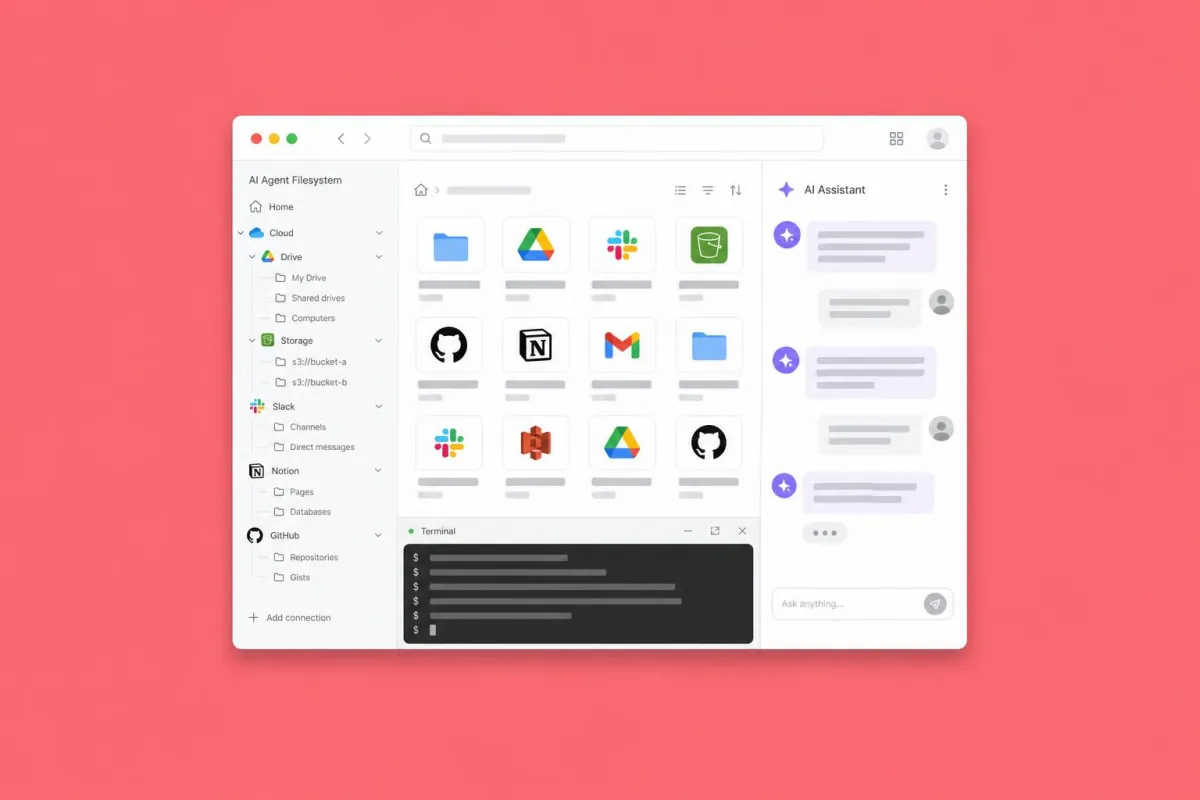
In the business world, an AI agent is only truly valuable if it can read and write within the tools the team already uses. For this reason, the most strategic part of the launch is not so much the name of the package, but the ecosystem of integrations announced: QuickBooks, PayPal, HubSpot, Canva, DocuSign, Google Workspace, and Microsoft 365 appear among the services supported in the initial product communications.
This choice clearly reflects the logic of the offer. Anthropic is not selling a 'smarter' chatbot, but an operational shortcut: less time wasted copying data between platforms, fewer repetitive tasks performed by hand, and more continuity between what the user asks and what the system can actually do in company tools.
The launch of Claude for Small Business also says something broader about the future of professional software. After an initial phase in which AI was offered as a generic assistant, vendors are now converging towards vertical, task-oriented packages designed for specific use cases. It is an important paradigm shift: value is no longer about 'having access to a model,' but about reducing the time that separates a real problem from a useful and approvable action.
Even the choice to accompany the rollout with a ten-city US training tour should be read in this direction. Anthropic is not just distributing software; it is trying to build operational literacy around agents, a clear signal that the SMB market is not conquered with model power, but with simplicity, trust, and immediate results.
For founders, consultants, software houses, and teams working with automation and agents, this move is a very clear message: the next competitive advantage will not come solely from stronger models, but from interfaces that are easier to adopt and workflows that are closer to the real processes of small companies. SMEs do not want to become experts in prompt engineering; they want tools that connect to existing systems and start producing value almost immediately.
In this sense, Claude for Small Business is interesting even beyond Anthropic. It shows the direction in which the entire market is moving: fewer generic demos, more pre-configured solutions; less abstract experimentation, more concrete automation; less AI to observe, more AI to approve after it has already done the heavy lifting.
Davide Stigliani
Full-stack developer and AI agent specialist — Tolve (PZ), Basilicata, Italy
I build AI agents, n8n automations and full-stack web applications for SMBs, connecting them to the ERP, CRM and channels the company already uses. I work across Italy and abroad, on site in Potenza and its province.