Gemini Embeddings 2: How AI Search is Changing
Embeddings are the invisible technology underlying almost everything we call 'intelligent search' today. When an AI system finds the right document among thousands, understands that two different questions are asking the same thing, or matches an image to a description — it is using embeddings. They are numerical representations of meaning, and their quality determines the quality of all systems that use them.
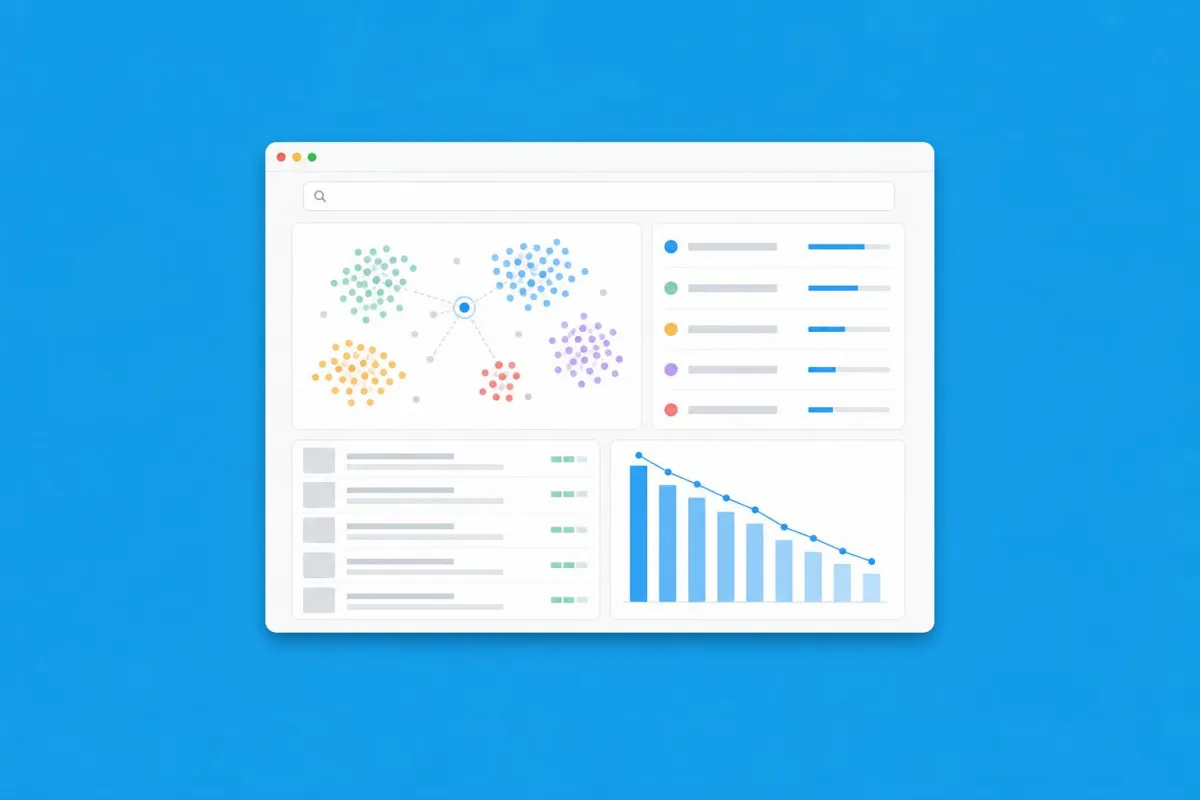
Google's update with Gemini Embeddings 2 introduces two changes that have a direct impact on how AI systems are designed. The first is native multimodality: the same vector space represents text, images, audio, video, and PDFs, allowing users to search and link content across different formats without separate pipelines. The second is scale: the ability to handle much longer documents without losing quality in semantic representation.
For those building applications based on semantic search, knowledge bases, or RAG systems, this is not a cosmetic update. It means unifying heterogeneous archives — texts, presentations, recordings, product images — into a single coherent semantic index. It means the query 'find me everything that talks about this concept' can cross different formats without having to maintain separate indexing systems.
The most profound change is conceptual: we are moving from an era where semantic search was primarily about text to one where it is about meaning in whatever form it takes. For companies with large multimedia archives, this opens up access to knowledge that was previously virtually invisible to AI systems.
Davide Stigliani
Full-stack developer and AI agent specialist — Tolve (PZ), Basilicata, Italy
I build AI agents, n8n automations and full-stack web applications for SMBs, connecting them to the ERP, CRM and channels the company already uses. I work across Italy and abroad, on site in Potenza and its province.