Anthropic × SpaceX: new records for Claude
Anthropic announced a strategic collaboration with SpaceX last week that, on paper, sounds like science fiction but is already producing concrete results for anyone working with Claude in production: rate limits, context window, and global inference latency have improved significantly.
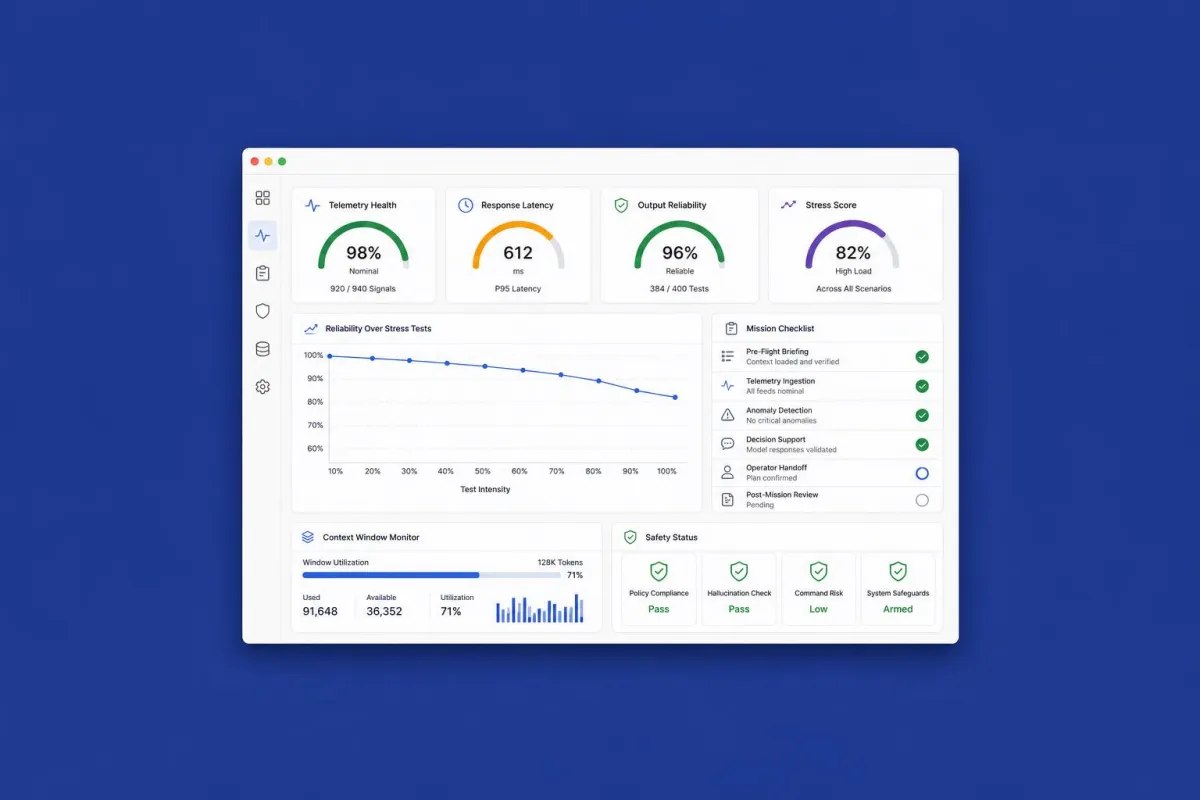
The heart of the agreement is the use of the Starlink network as a low-latency backbone between geographically distributed GPU clusters, combined with the first experiments in low-power orbital compute for batch workloads. For developers, this translates into a context window extended to 1M tokens on Claude Sonnet and 2M tokens on Claude Opus, with rate limits doubled across all API tiers.
The immediate effect is that patterns that until yesterday required aggressive RAG can now be solved by uploading the entire document corpus into the prompt. For long-running agents, the advantage is even greater: session memory can hold weeks of interactions without having to resort to destructive summaries.
On the cost side, Anthropic has kept pricing unchanged on existing tiers and has introduced a new 'Orbital Batch' tier with a 40% discount for non-urgent workloads — perfect for indexing, evaluations, and fine-tuning jobs.
For those designing AI agents today, the advice is simple: review architectures designed to bypass old limits. Many workarounds (aggressive chunking, summary caches, semantic compression) are now unnecessary overhead.
Davide Stigliani
Full-stack developer and AI agent specialist — Tolve (PZ), Basilicata, Italy
I build AI agents, n8n automations and full-stack web applications for SMBs, connecting them to the ERP, CRM and channels the company already uses. I work across Italy and abroad, on site in Potenza and its province.