Claude Design: Why Everyone is Talking About It
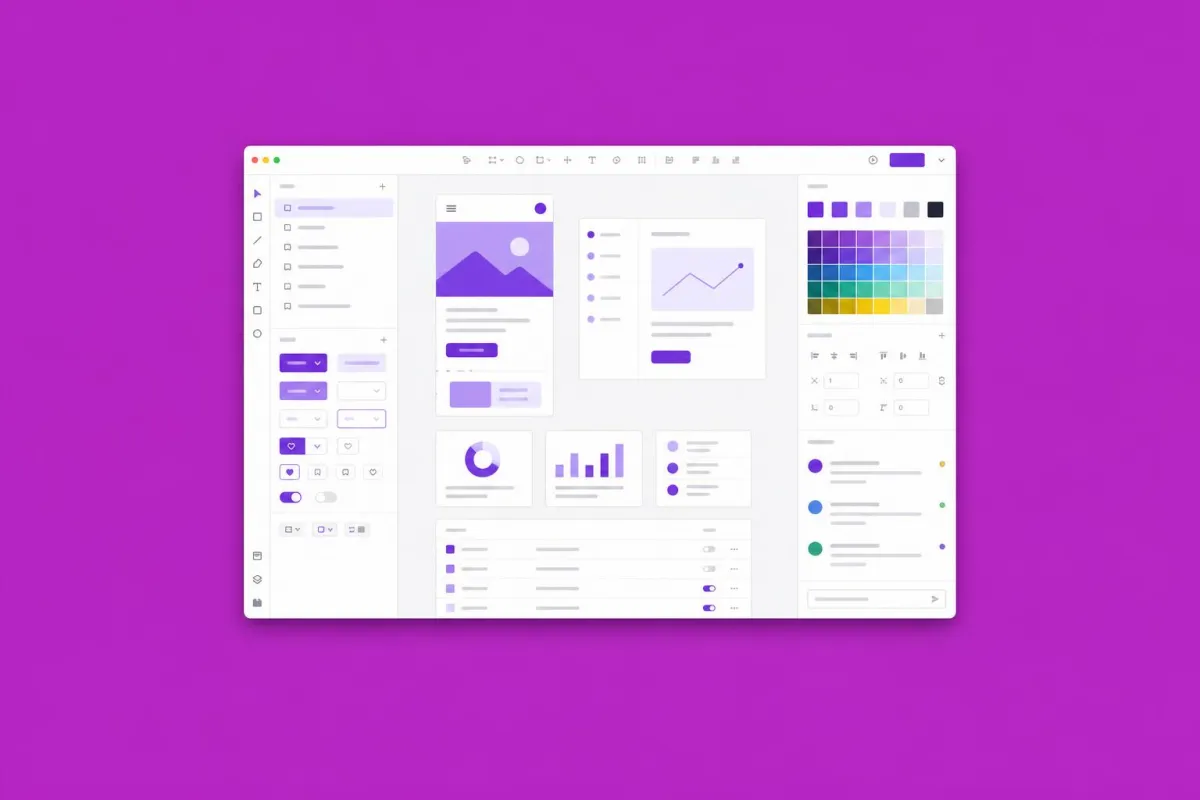
AI-assisted design is not new. Image generation, automatic layouts, color suggestions: these systems have existed for years. But Claude Design does something different, and the difference is sharp enough to justify the attention it is receiving.
The strength is not graphic generation in the strict sense, but the ability to understand the intention behind a request. Not just 'create an interface with these elements', but 'create an interface that communicates reliability for a high-end medical audience, with these accessibility constraints and this visual hierarchy'. The difference between responding to a technical specification and understanding a communication goal is enormous.
For those working in digital products, it means shifting the work upstream: instead of spending hours adjusting pixels, more time is invested in the strategic definition of what the design must communicate, leaving the initial executive part to the AI. The result is not always perfect — and it shouldn't be, because the professional's value remains in the creative direction — but the starting point is much higher.
The most interesting element is how conversational Claude Design is: refinement happens through natural dialogue, not via technical parameters or menus. For those without a technical background in design, this is a completely new gateway to capabilities that previously required years of training.
Davide Stigliani
Full-stack developer and AI agent specialist — Tolve (PZ), Basilicata, Italy
I build AI agents, n8n automations and full-stack web applications for SMBs, connecting them to the ERP, CRM and channels the company already uses. I work across Italy and abroad, on site in Potenza and its province.