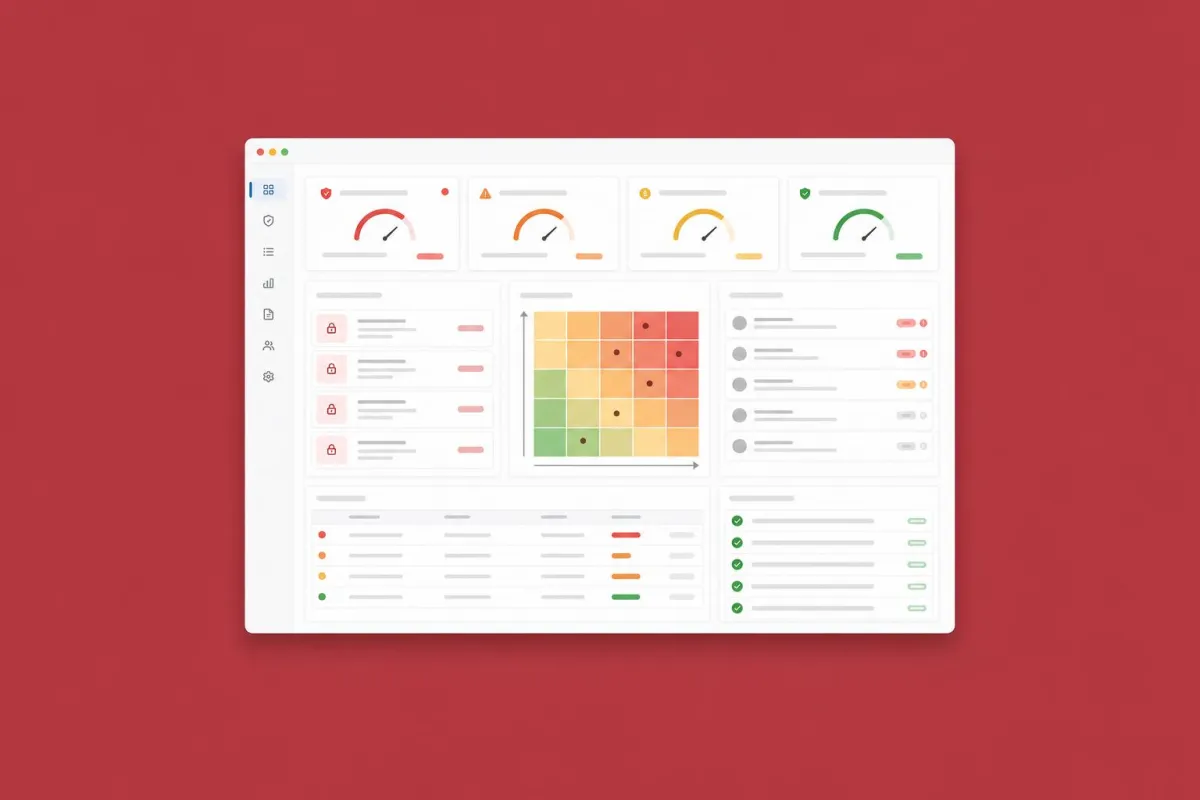
Anthropic: an AI too powerful to be released
The news that an AI company has developed a system and decided not to release it for safety reasons is, in 2026, an important signal. Anthropic is known for its approach to AI safety as a structural priority — not as a marketing feature, but as a constraint that concretely influences product and research decisions.
When an organization like Anthropic says that something is 'too powerful to be released', it is not about fear of change or excessive caution. It is a technical judgment on specific risks that the model could introduce if put in the hands of the general public without adequate safeguards.
The criteria for these assessments typically concern the system's ability to provide assistance in high-risk areas — biosecurity, cyber-offense, automated disinformation — at a level that exceeds what a human expert could do independently.
The news opens a broader reflection: the pace of development of AI models has surpassed that of safeguards and regulatory frameworks. The most responsible companies are self-regulating, but this is not a sustainable long-term solution because it creates competitive asymmetries with less scrupulous actors.
For those working in AI, understanding risk assessment criteria — and the resulting decisions — is not just academic. It is part of the professional competence necessary to build responsible systems.
Davide Stigliani
Full-stack developer and AI agent specialist — Tolve (PZ), Basilicata, Italy
I build AI agents, n8n automations and full-stack web applications for SMBs, connecting them to the ERP, CRM and channels the company already uses. I work across Italy and abroad, on site in Potenza and its province.